


Spirits have been enjoyed for centuries and remain among the most popular categories of alcoholic beverages worldwide. Served neat, on the rocks, or as the foundation of a favorite cocktail, spirits offer an incredible variety. From the smoky complexity of Scotch whisky to the crisp character of vodka distilled beverages are delightful. Gin has botanical notes, and there’s truly a spirit for every taste and occasion.
Beer and wine are produced through fermentation alone. Spirits are created by distilling fermented grains, fruits, sugarcane, or other agricultural products. Distillation concentrates both the alcohol and the flavors. This results in beverages that typically range from 35% to 50% alcohol by volume (ABV). Some varieties are even stronger.
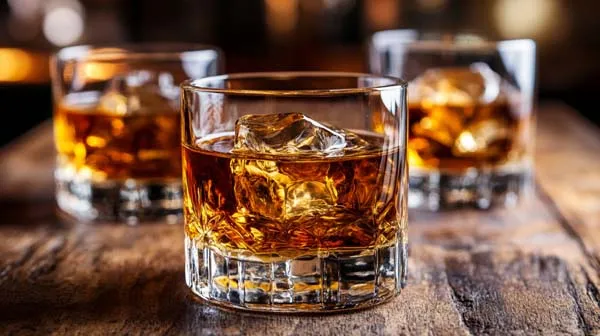
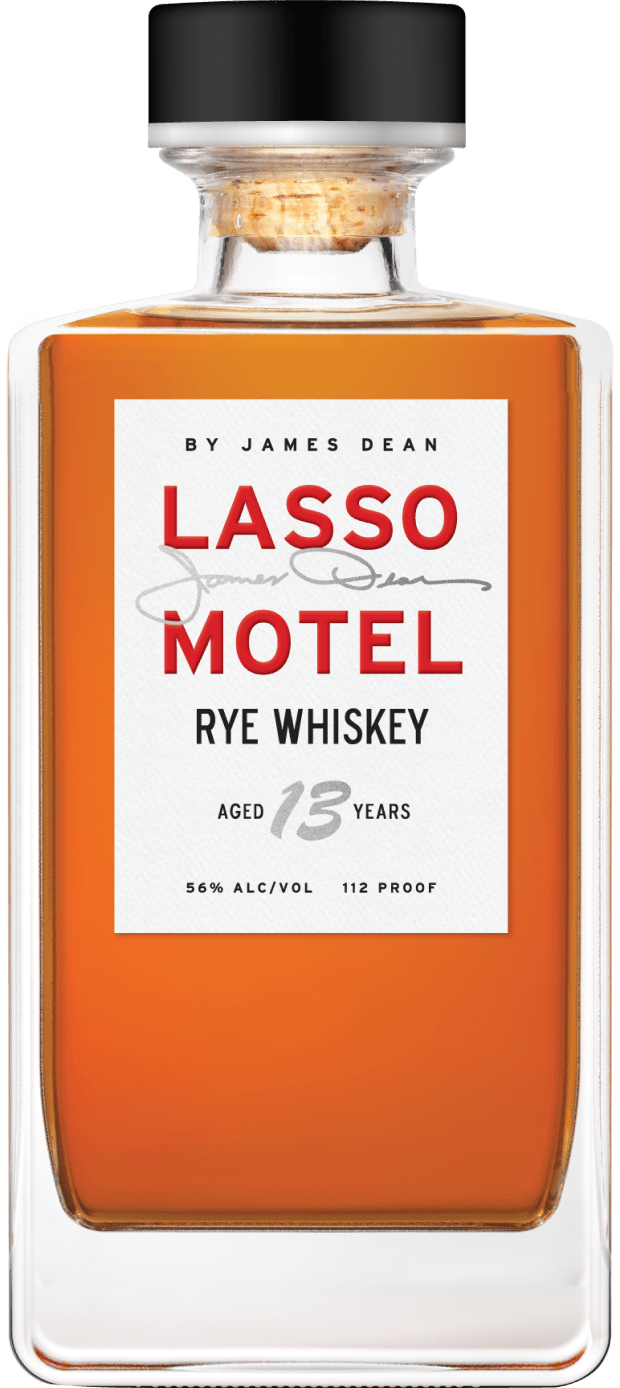
One of the largest categories of spirits is whiskey. Produced in countries around the world, whiskey varies greatly depending on where it is made and the ingredients used. Bourbon, an American favorite, is made primarily from corn and aged in new charred oak barrels. This gives it rich flavors of vanilla, caramel, and toasted oak. Rye whiskey delivers a spicier profile, while Scotch whisky is known for its diverse regional styles. Scotch ranges from light and floral to heavily peated and smoky. Irish whiskey often offers a smoother, lighter character that appeals to both newcomers and experienced whiskey enthusiasts.
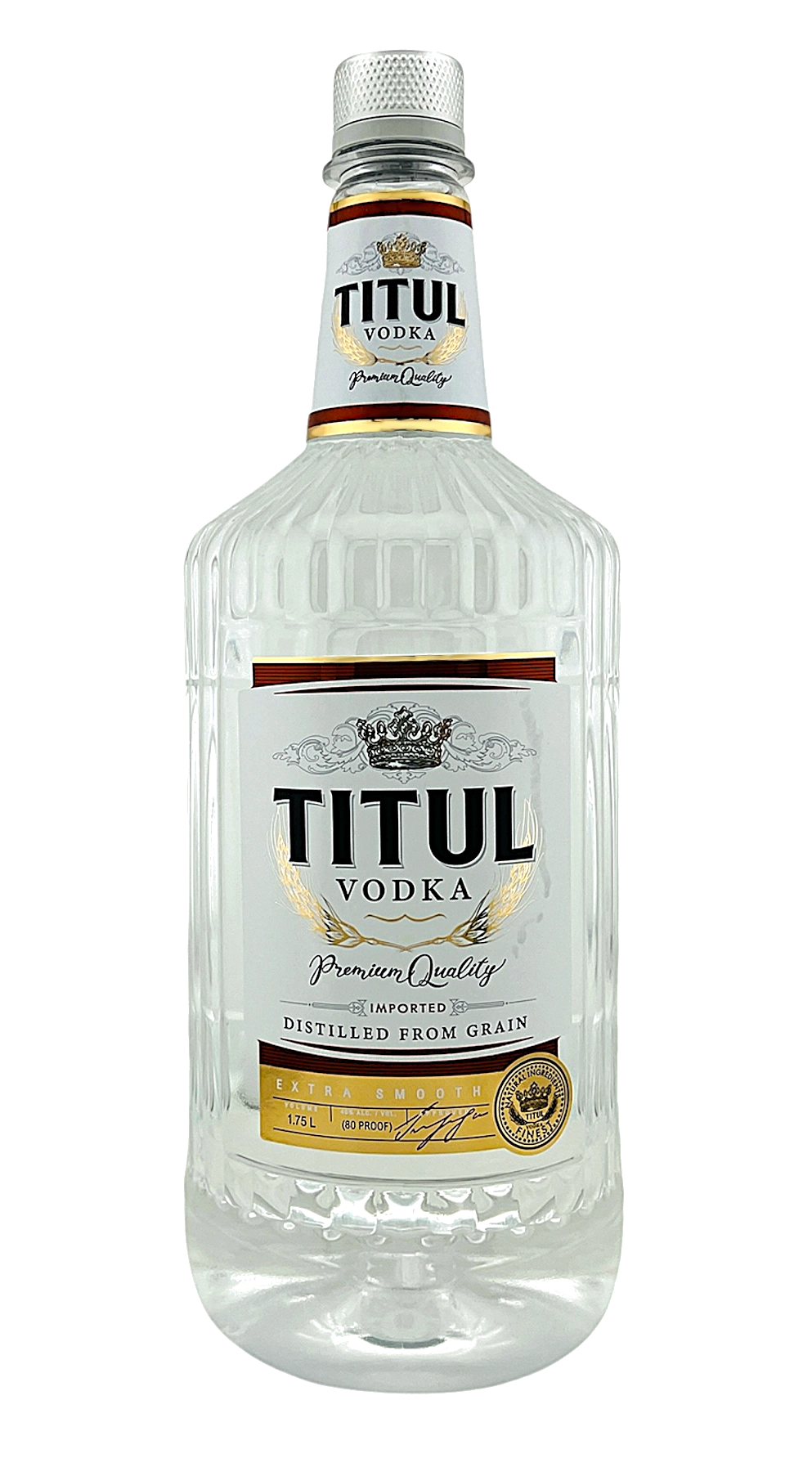
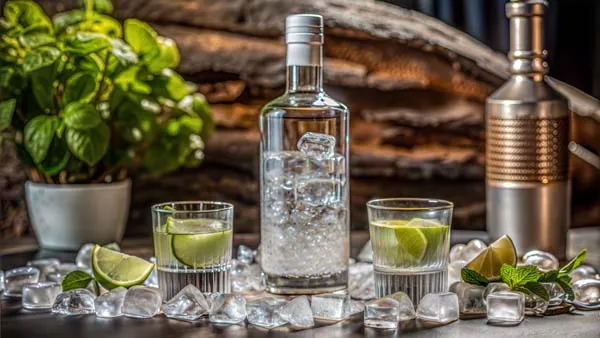
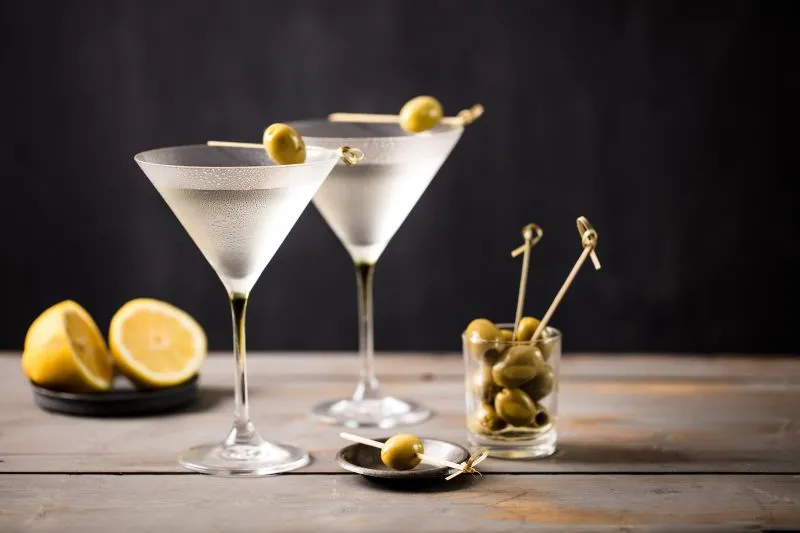
Vodka has become one of the world’s most versatile spirits. Traditionally distilled from grains or potatoes, modern vodkas may also be made from corn, grapes, or other ingredients. Its clean, neutral flavor makes it an excellent choice for countless cocktails, including the Moscow Mule, Bloody Mary, Cosmopolitan, and Vodka Martini. Premium vodkas often undergo multiple distillations and filtration processes to create exceptional smoothness.

Gin has experienced tremendous growth in popularity in recent years. While it begins as a neutral spirit, gin is flavored with juniper berries and a carefully selected blend of botanicals such as coriander, citrus peel, angelica root, lavender, and cardamom. Each distillery develops its own unique botanical recipe, resulting in an impressive variety of flavor profiles. Gin shines in classic cocktails like Gin and Tonic, Negroni, and Tom Collins.
Rum is distilled primarily from sugarcane juice or molasses and offers remarkable diversity. White rum is light and ideal for tropical cocktails like Mojitos and Daiquiris. Gold and dark rums develop richer flavors through barrel aging, while premium aged rums can rival fine whiskies in complexity. Spiced rums incorporate ingredients such as vanilla, cinnamon, and cloves, creating warm, inviting flavors perfect for sipping or mixing.
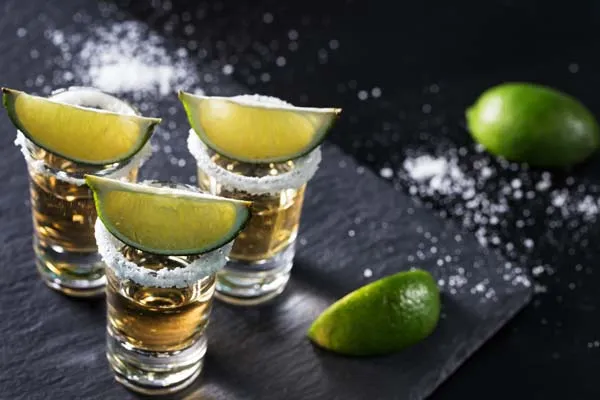
Tequila and mezcal represent the rich distilling traditions of Mexico. Tequila is made exclusively from blue Weber agave and is produced primarily in the state of Jalisco. Blanco tequila offers fresh agave flavors, while Reposado and Añejo tequilas gain additional complexity through barrel aging. Mezcal, made from several varieties of agave, is often recognized for its distinctive smoky character, created by roasting the agave hearts before fermentation.
Brandy is another classic spirit produced by distilling wine or fermented fruit juice. Cognac and Armagnac, both produced in France under strict regulations, are among the world’s most prestigious brandies. Their rich notes of dried fruit, vanilla, spice, and oak make them exceptional after-dinner drinks and elegant additions to classic cocktails.
Liqueurs differ slightly from traditional spirits because they contain added sweeteners and flavorings. Coffee liqueurs, orange liqueurs, herbal liqueurs, cream liqueurs, and nut-flavored varieties each bring distinctive characteristics to cocktails and desserts. Popular examples include Triple Sec, Grand Marnier, Kahlúa, Baileys Irish Cream, and Amaretto.
Selecting the right spirit often depends on personal preference and the intended occasion. New enthusiasts may enjoy exploring tasting flights that compare different styles side by side. Reading labels can also provide valuable information about aging, proof, production methods, and country of origin. Many specialty liquor stores employ knowledgeable staff who can recommend bottles based on flavor preferences, budget, or cocktail recipes.
Proper storage helps preserve the quality of spirits. Unlike wine, unopened bottles of distilled spirits generally have a long shelf life when stored upright in a cool, dark location away from direct sunlight and excessive heat. Once opened, tightly sealing the bottle helps maintain flavor and aroma over time.
Whether you’re building a home bar, searching for the perfect gift, or discovering a new favorite cocktail ingredient, spirits offer endless opportunities for exploration. Sipmeisters can help improve your distilled beverage experience. Their rich history, diverse production methods, and remarkable range of flavors have earned them a permanent place in celebrations, gatherings, and quiet evenings alike. By learning about the different categories and what makes each unique, you’ll be better prepared to choose spirits that suit your tastes and elevate every occasion. As always, enjoy alcoholic beverages responsibly and appreciate the craftsmanship that goes into every bottle.