


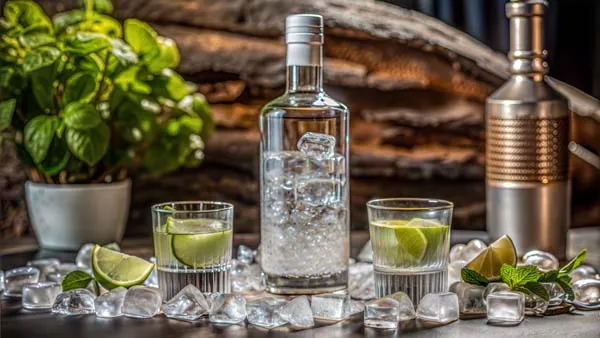

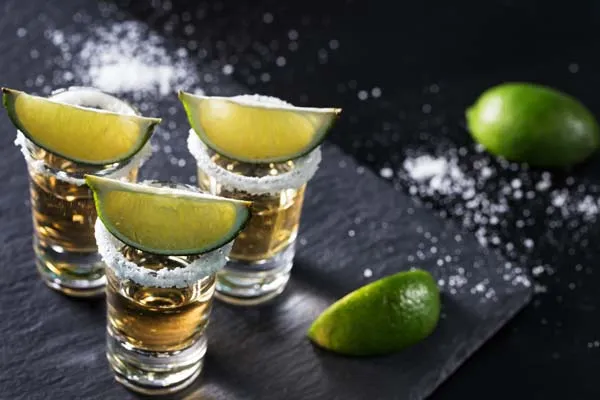
Tequila is one of the world’s most celebrated spirits, known for its bold flavors, rich history, and remarkable versatility. It can be enjoyed neat, on the rocks, or in a handcrafted cocktail. Tequila has evolved from a regional Mexican spirit into a global favorite. Many people associate tequila with celebrations and margaritas. There is much more to this distinctive beverage than meets the eye. Understanding how it is made, the different varieties available, and the best ways to enjoy it can help you appreciate this timeless spirit.
Tequila is only produced from the blue Weber agave plant. This agave plant thrives in the volcanic soils of Mexico. Authentic tequila can only be produced in specific regions, primarily the state of Jalisco, along with designated municipalities in Guanajuato, Michoacán, Nayarit, and Tamaulipas. Like Champagne in France or Scotch whisky in Scotland, tequila is protected by a designation of origin, ensuring that only spirits produced according to strict regulations can bear the name “tequila.”

The journey of tequila begins with the agave plant, which takes between six and ten years to mature. Skilled farmers, known as jimadores, harvest the agave by removing its sharp leaves and exposing the heart of the plant, called the piña. These large, pineapple-shaped cores can weigh anywhere from 40 to over 100 pounds. The piñas are then slowly cooked to convert their natural starches into fermentable sugars.
After cooking, the agave is crushed to extract its sweet juice. The juice is fermented with yeast before being distilled, typically twice, to create a smooth, refined spirit. Some tequilas are bottled immediately after distillation, while others are aged in oak barrels to develop greater complexity and character.
Blanco, also called silver tequila, is bottled shortly after distillation. It offers bright, fresh flavors with notes of cooked agave, citrus, herbs, and pepper. Blanco showcases the pure essence of the agave plant and is commonly used in premium cocktails.
Reposado, meaning “rested,” is aged in oak barrels for two months to one year. During this time, the tequila absorbs subtle notes of vanilla, caramel, and light spice while retaining much of its agave character. Reposado strikes a wonderful balance between freshness and oak influence.
Añejo tequila is aged for one to three years in oak barrels. The extended aging produces a richer, smoother spirit with flavors of toasted oak, chocolate, dried fruit, baking spices, and butterscotch. Many enthusiasts prefer sipping añejo neat to fully appreciate its complexity.
Extra Añejo, introduced as an official category in 2006, is aged for more than three years. These premium tequilas often rival fine cognacs or aged whiskies in depth and sophistication. They are typically reserved for slow sipping and special occasions.
Another important distinction is between 100% agave tequila and mixto tequila. A bottle labeled “100% Agave” contains only sugars from the blue Weber agave plant, resulting in cleaner, more authentic flavors. Mixto tequila contains at least 51% agave sugars, with the remainder coming from other sugar sources. For the highest quality experience, many tequila lovers recommend choosing 100% agave products.
Tequila’s versatility makes it an excellent choice for cocktails. The Margarita remains the world’s most famous tequila drink, combining tequila, fresh lime juice, and orange liqueur into a refreshing classic. Other favorites include the Paloma, which blends tequila with grapefruit soda and lime, and the Tequila Sunrise, featuring orange juice and grenadine. Modern bartenders continue to create innovative tequila cocktails that highlight the spirit’s natural complexity.
In recent years, premium tequila has gained tremendous popularity among. Small-batch distilleries focus on traditional production methods, careful barrel aging, and sustainable farming practices to produce exceptional spirits. Consumers are increasingly interested in where their tequila comes from and how it is crafted, leading to greater appreciation for these small handcrafted brands.
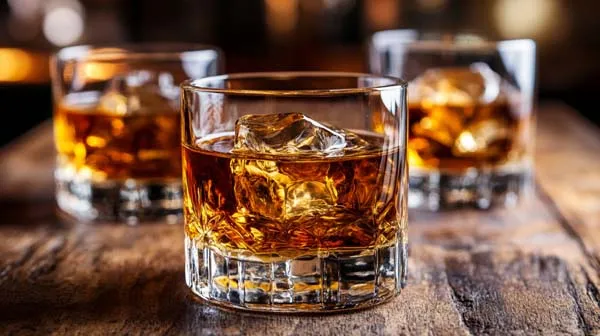
When serving tequila, proper glassware can enhance the experience. A narrow tasting glass or a small whiskey glass allows aromas to concentrate, making it easier to appreciate the spirit’s subtle notes. Rather than quickly consuming tequila as a shot, many seasoned folks recommend sipping it slowly, allowing the flavors to unfold with each taste.
Tequila also pairs surprisingly well with food. Blanco tequila complements fresh seafood, ceviche, tacos, and citrus-based dishes. Reposado pairs beautifully with grilled meats, roasted vegetables, and aged cheeses. Añejo and Extra Añejo are excellent companions for rich desserts featuring chocolate or caramel, as well as premium cigars for those who enjoy them.
As tequila continues to grow in popularity around the world, consumers have more exceptional options than ever before. From crisp blanco expressions to luxurious extra añejos, there is a tequila suited for every palate and occasion.
Whether you’re discovering tequila for the first time or expanding your appreciation for premium spirits, understanding its history, craftsmanship, and diverse styles makes every pour more enjoyable. Rooted in centuries of Mexican tradition and produced with remarkable care, tequila remains one of the world’s finest distilled spirits—perfect for celebrating life’s special moments or simply savoring a well-crafted drink responsibly.